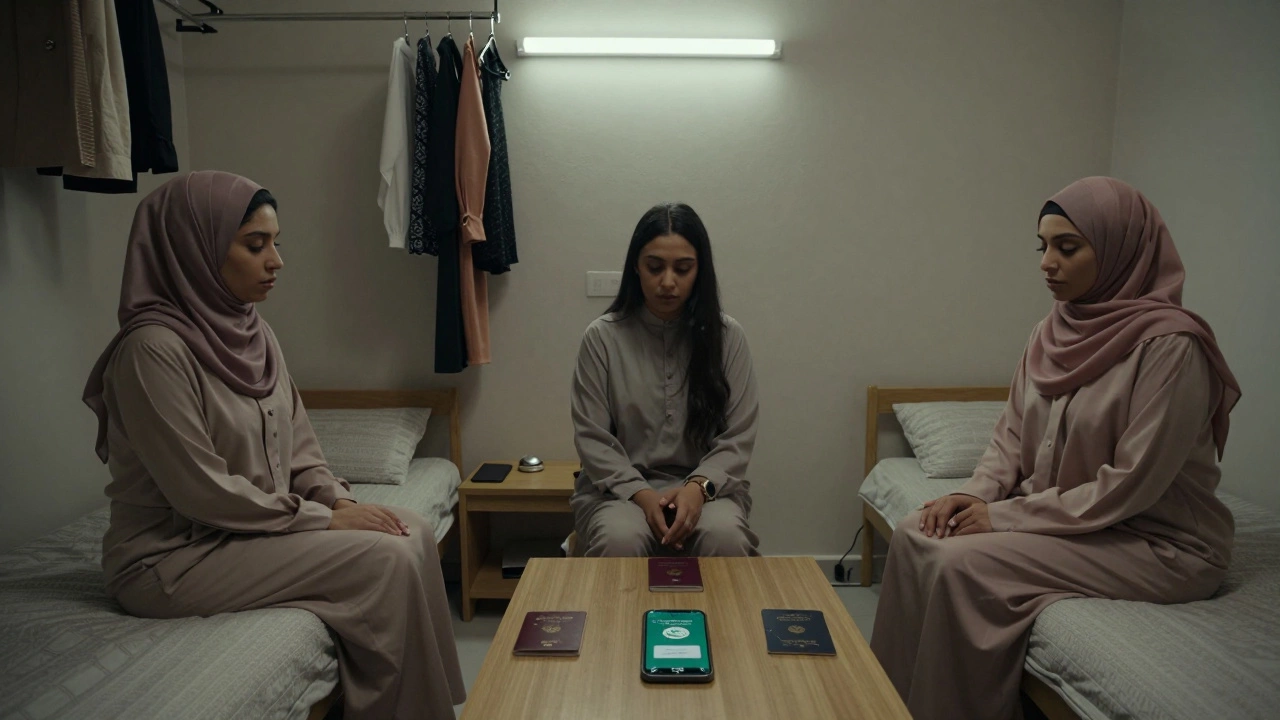
People talk about girls escort dubai like it’s just another service in a city that sells luxury. But behind the glossy ads and Instagram photos, there’s a reality most visitors never see. Dubai’s economy runs on tourism, construction, and finance-but it also thrives on hidden economies. The dubai girl escort industry isn’t just about companionship. It’s about survival, migration, legal gray zones, and exploitation wrapped in high-end packaging. This isn’t fiction. It’s the daily life of women who come here hoping for a better future-and often end up trapped.
Most women who enter this world aren’t from Dubai. They arrive from Eastern Europe, Southeast Asia, Africa, and Latin America. Many are promised jobs as nannies, models, or hospitality staff. Once they land, their passports get taken. Their visas are tied to agencies that control every move. If they refuse a client, they’re cut off from rent, food, or even their own phone. Some pay off debts of $10,000 or more just to get here. The dubai escort problem isn’t about choice-it’s about coercion disguised as opportunity.
How It Works: From Arrival to Isolation
The process starts with recruitment. Agencies in cities like Manila, Kyiv, or Lagos advertise "high-paying jobs in the Gulf." Brochures show smiling women in designer clothes, standing outside Burj Khalifa. The reality? A cramped apartment in Al Barsha or Jumeirah, shared with three others. Clients are booked through WhatsApp or encrypted apps. Payments are made in cash or cryptocurrency. No contracts. No taxes. No protection.
Women are told to dress a certain way, speak a certain way, act a certain way. They’re trained to smile even when terrified. Many don’t speak Arabic or English fluently. They’re isolated from friends and family. Calls home are monitored. If they try to leave, they’re threatened with deportation-or worse. Dubai has strict laws against prostitution, but enforcement targets the workers, not the buyers or the brokers. In 2024, over 200 women were arrested for "immoral conduct"-almost all of them were sex workers. Not one agency owner was charged.
Who Are the Clients?
The clients aren’t just rich tourists. They’re expats on short-term contracts, businessmen from Saudi Arabia, and even local Emiratis who use fake IDs. Some come once. Others return monthly. Many believe they’re paying for companionship, not sex. But the line blurs fast. A dinner, a drink, a walk along the beach-then comes the request. And the woman? She’s expected to say yes. Refusal means lost income, lost safety, lost hope.
There’s no stigma for the men. No consequences. No police visits. No social shame. But for the women? A single arrest can destroy their future. They’re deported. Blacklisted. Some end up in detention centers for months. Others disappear into the shadows, moving to another Gulf country under a new name.
The Myth of Choice
Some argue these women choose this life. That they earn more than they ever could back home. That’s true-on paper. A woman might make $5,000 a month. But after rent, agency fees, fines, and medical bills, she’s left with $800. That’s less than what she’d make as a cleaner or cook in her home country. And she’s paying for it with her dignity, her safety, her mental health.
Depression, anxiety, and PTSD are common. Many don’t seek help because they fear being reported. Others don’t know where to turn. NGOs that help victims are banned from operating openly. International organizations are denied access. The government calls it "private behavior"-and looks away.
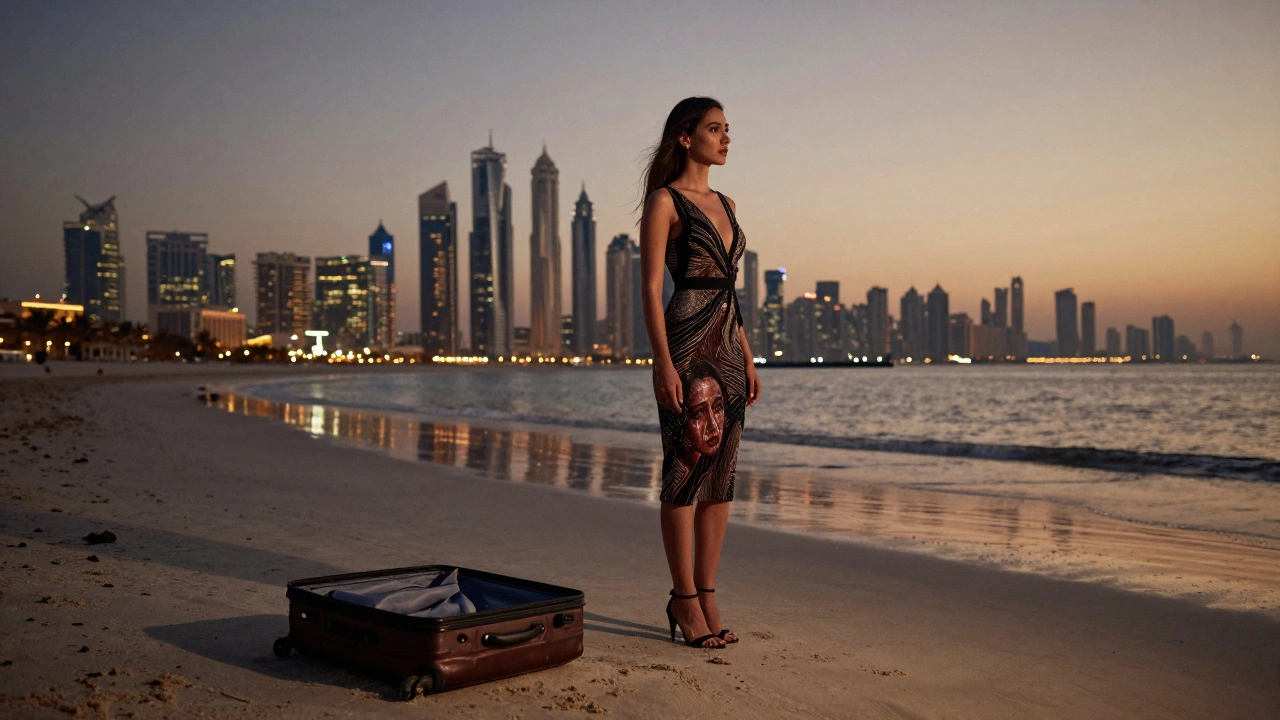
What Happens When They Try to Escape?
There are stories of women who ran. One woman from Ukraine escaped after seven months. She hid in a supermarket for three days, then called a friend who contacted a human rights group. She spent six weeks in a shelter before being flown home. Her agency sued her for $15,000 in "damages." She never paid. But she can’t return to Dubai. Ever.
Another woman from Nigeria was locked in a room for 11 days after refusing a client. She was starved. Beaten. When she finally got out, she went to the police. They asked for her passport. When she said it was taken, they told her she had no legal standing. She was deported two weeks later.
These aren’t rare cases. They’re routine.
Why Doesn’t Dubai Fix This?
Dubai’s economy depends on invisible labor. Cleaners, drivers, nannies, construction workers, and yes-sex workers-all keep the city running. But none of them are seen as citizens. They’re temporary. Disposable. The government doesn’t want to acknowledge the problem because it would mean admitting failure in its "global hub" branding.
There’s no law protecting sex workers. No labor rights. No healthcare access. No way to report abuse without risking arrest. Even if a woman wanted to go to court, she’d need a lawyer, money, and time-all things she doesn’t have.
Some activists have tried. In 2023, a local group released a documentary showing hidden cameras inside escort apartments. It went viral. Within 48 hours, the video was taken down. The group’s website was blocked. Two members were detained for "spreading false information." They were released after a month-on the condition they leave the country.

What Can You Do?
If you’re visiting Dubai, don’t look for these services. Don’t assume they’re harmless. Don’t think you’re being discreet. You’re part of a system that crushes women daily. Even if you think you’re "kind" or "respectful," you’re still paying for someone’s freedom to be taken away.
If you know someone who might be trapped in this system, don’t confront them directly. They’re terrified. Instead, contact organizations like Human Rights Watch or Amnesty International. They have confidential channels. You can report anonymously. Your silence helps the system stay hidden.
This isn’t about morality. It’s about power. And until the buyers, the brokers, and the government are held accountable, nothing will change.
What Happens to the Women After They Leave?
Those who escape rarely get back on their feet. Many return home with trauma, debt, and stigma. Some are shunned by their families. Others are labeled as "damaged goods." One woman from the Philippines, after five years in Dubai, came home with $3,000 saved. Her community called her a prostitute. She couldn’t find work. She now lives with her sister and works as a seamstress for $150 a month.
There’s no rehabilitation program for these women. No counseling funded by the state. No job training. No support network. They’re left to heal alone.
The Bigger Picture
Dubai isn’t unique. This system exists in Abu Dhabi, Doha, Riyadh, and even in cities like Las Vegas and Miami. But Dubai is the most visible. It’s the most polished. And that makes the lie more dangerous.
When you see a woman in a designer dress walking out of a luxury hotel, don’t assume she’s a guest. She might be a worker. She might be scared. She might be waiting for her next client. And she might never get to leave.